
Home » PMOS Treatment
PMOS, previously known as PCOS, is a leading cause of infertility. With early diagnosis and a personalised treatment plan that may include lifestyle changes, medications, and reproductive technologies, many women with PMOS go on to conceive successfully.
PMOS is a medical condition which is characterised by hormonal imbalance, elevated androgens and insulin resistance, which disrupts follicle maturation and ovulation. This leads to fewer ovulations, irregular menstrual cycles (often exceeding 35 days), reduced egg quality, and potentially reduced pregnancy rates and higher miscarriage risks.
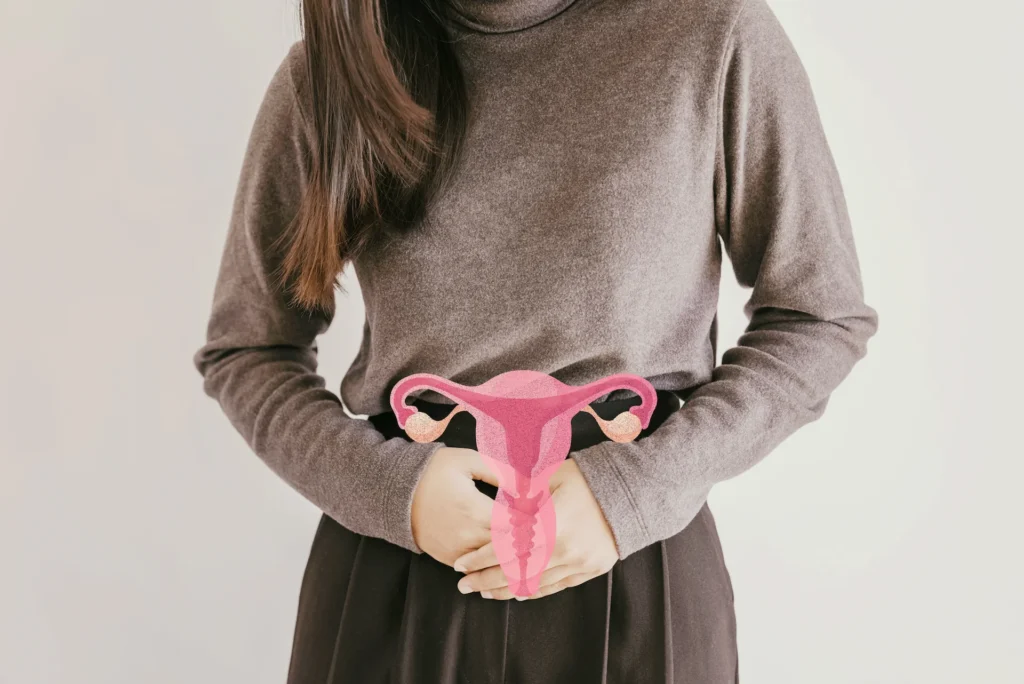
Menstrual cycles longer than 35 days apart or having fewer than eight menstrual bleeds a year.
Presence of 20 or more follicles in at least one ovary or an ovarian volume greater than 10 cm³.
Presence of excessive acne or facial/body hair growth or elevated male hormones found in laboratory tests.
The diagnostic process will include taking a comprehensive menstrual history, physical assessment for signs of hyperandrogenism, undergoing hormone and metabolic blood tests, and a transvaginal ultrasound.
PMOS is diagnosed using the modified Rotterdam criteria, which requires the presence of two of three key features after other causes have been excluded. The key features are:

A structured program combining a lower glycaemic balanced diet, regular physical activity (at least 150 minutes/week), stress management, and good sleep can significantly improve insulin sensitivity, regulate menstrual cycles, and optimise fertility. Even a modest 5 to10% weight loss can restore ovulation and boost fertility outcomes.

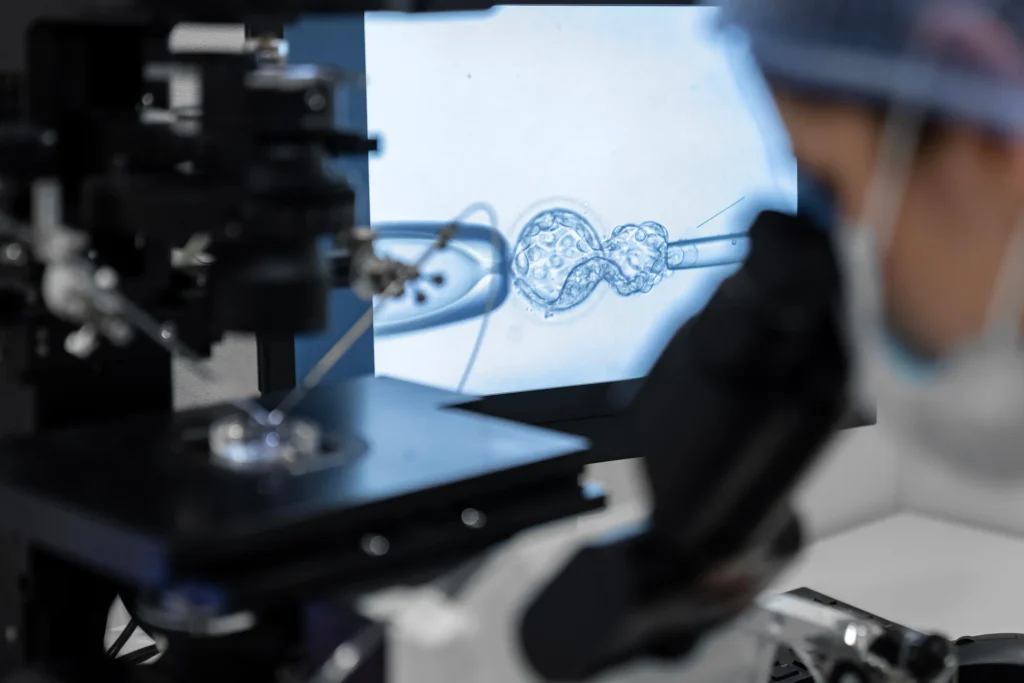

Early engagement with a fertility specialist can reduce delays and improve reproductive outcomes.


At Daniel Koh Clinic, we offer:
Obstetrician & Gynaecologist Singapore
BMBS (AUS), M.MED (O&G, SG), FRCOG (UK), FAMS (SG)
Dr Daniel is a specialist obstetrician and gynaecologist with dual subspecialty interests in reproductive medicine and maternal-fetal medicine.
He received his specialist training at the largest Women’s Health hospital in Singapore – KK Women’s and Children’s Hospital.
Combining subspecialty experience spanning reproductive medicine and gynaecological endocrinology, Dr Daniel provides individualised management of Polyendocrine Metabolic Ovarian Syndrome (PMOS), addressing its impact on menstrual health, fertility, and long-term metabolic wellbeing.
Dr Daniel completed his medical education from the prestigious Flinders Medical School and holds medical registration in Australia. He has won multiple awards for his exemplary performance and received numerous compliments from patients for his genuine care.

At Daniel Koh Clinic, you will benefit from continuity of care under Dr Daniel, a MOH-accredited fertility specialist who is experienced in both reproductive medicine and maternal‑fetal medicine. He offers comprehensive support from your initial fertility consultation through to the delivery of your child.
Book a consultation with Dr Daniel to discuss your fertility options and receive a personalised care plan.

Providing a comprehensive suite of services to prioritise your needs and comfort at every step of the way in your fertility journey.
Antenatal care & delivery, maternal & fetal medicine including high-risk pregnancies and fetal screening

Abortion, family planning, abnormal Pap smears, fibroid and ovarian cyst management


Heavy menstrual bleeding (menorrhagia), prolonged menstruation, intermenstrual bleeding, painful menstruation (dysmenorrhea), post menopausal bleeding

Below you will find answers to common questions about abortion in Singapore.
Yes. PMOS can affect both ovulation and egg quality, making it more difficult for some women to conceive.
In a normal cycle, a mid-cycle surge in luteinising hormone (LH) triggers the release of an egg. In women with PMOS, LH levels tend to remain mildly elevated throughout the cycle. This prevents the normal surge, leaving eggs trapped within their follicles instead of being released for fertilisation.
Yes. High insulin levels and excess male hormones (androgens) in PMOS can slow egg maturation. Even if ovulation occurs, the eggs may be less likely to fertilise successfully or develop into a healthy embryo.
Yes, family history increases the likelihood of PMOS, though it is also influenced by lifestyle and environmental factors.
Not necessarily. PMOS diagnosis requires at least two of the three Rotterdam criteria (infrequent menstrual cycles, clinical signs of hyperandrogenism and polycystic ovaries).
Our friendly team is looking forward to serving you. For urgent enquiries and appointment requests, please call or WhatsApp us directly.