IVF in Singapore

What is IVF?

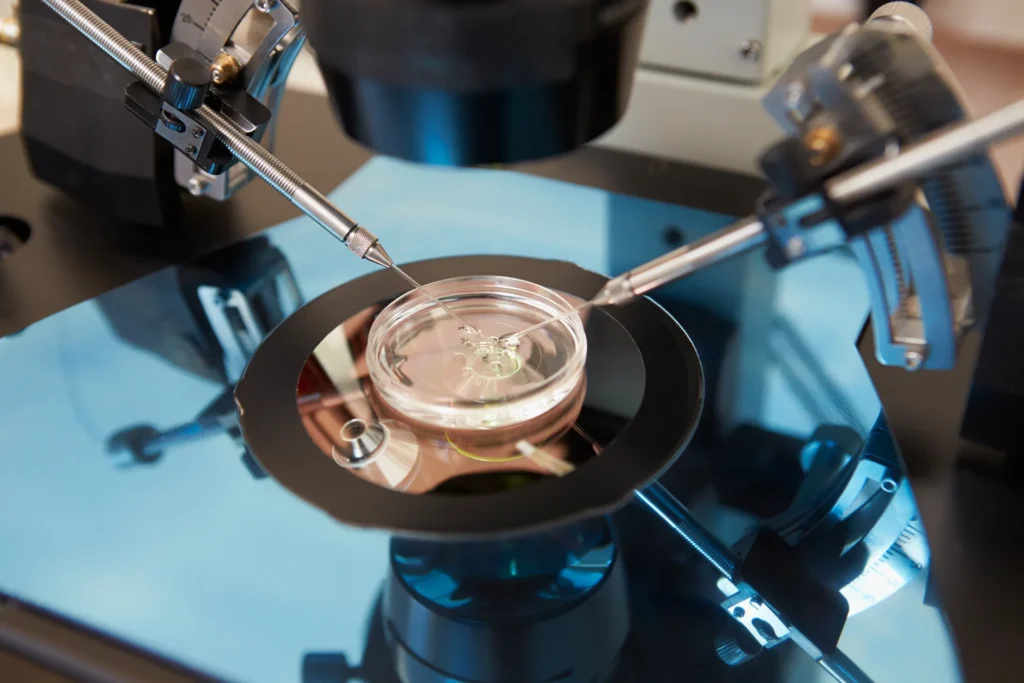
IVF (In Vitro Fertilisation) is a widely used fertility treatment where eggs are retrieved from the woman’s ovaries, fertilised with sperm in a laboratory, and resulting embryos are then transferred back into the woman’s uterus. It is a complex and highly effective assisted reproductive technology that can help individuals or couples overcome various fertility issues.

What are the success rates of IVF in Singapore?

The success rates of IVF in Singapore depend on the age of the woman, the quality of the embryos, and any underlying fertility issues. Younger women have higher success rates.

For women under 35, the success rate is around 40-50% per cycle, while for women over 40, it drops to about 10-15%.

How do I qualify for IVF in Singapore?

IVF is recommended for individuals or couples in Singapore who face challenges such as blocked fallopian tubes, low sperm count or quality, endometriosis, or unexplained infertility. It can also be an option for individuals or couples who have undergone other fertility treatments without success.

Couples interested in IVF must meet the following criteria by the Ministry of Health (MOH).

How much does IVF cost in Singapore?

The cost of IVF in Singapore depends on whether it’s done at a public or private clinic and the specific treatments required. On average, a single IVF cycle can range from SGD 10,000 to SGD 15,000 at a public hospital, including medication, while private clinics may charge between $20,000 to $35,000 (excl. GST) or more.

Government subsidies are available at public hospitals for eligible couples, and Medisave can be used to offset some costs. Additionally, insurance coverage for IVF may be limited, so it’s advisable to check with your provider.

What are the legal and ethical considerations of IVF?

The Ministry of Health regulates IVF in Singapore to ensure ethical practices. Some legal and ethical considerations include:

Don’t hesitate to contact us for more information

Ovarian Stimulation

First, the woman undergoes ovarian stimulation with medication to produce multiple eggs.

Egg Retrieval

The eggs are then retrieved by the doctor through a minor surgical procedure. Meanwhile, the male partner provides a semen sample or donor sperm for fertilisation.

Fertilisation and embryo culture

In the laboratory, the eggs and sperm are combined to allow fertilisation to occur. The fertilised eggs (embryos) are cultured in the lab for several days and monitored for development.

Embryo transfer

The best-quality embryos are selected and transferred to the woman’s uterus. Any additional viable embryos can be cryopreserved for future use.

Luteal phase support

After the transfer, the woman takes hormonal medications, such as progesterone, to support the uterine lining and improve the chances of implantation. She may undergo a period of rest and then return for a follow-up appointment to monitor the success of the procedure through blood tests or ultrasound examinations. Successful implantation of the embryo(s) may result in a pregnancy.

It is important to note that the specifics of the IVF procedure can vary depending on individual circumstances and the protocols used by fertility clinics. Healthcare providers work closely with individuals or couples undergoing IVF to tailor the treatment plan to their specific needs and maximise the chances of achieving a successful pregnancy.

What happens during an IVF cycle?

The IVF procedure typically involves several steps.

Lifestyle changes with IVF

Before and during IVF, lifestyle optimisation can improve success rates and ensure a healthier pregnancy.

What lifestyle changes should I make before and during IVF?

Focus on your nutrition. Eating a nutrient-rich diet can support your reproductive health. Next, avoid harmful substances like smoking, alcohol, and recreational drugs, as these can negatively affect fertility and pregnancy outcomes. Lastly, incorporate stress-relief techniques to help you maintain emotional well-being throughout your journey.

Can I work during the IVF process?

Yes, many women continue to work during IVF, but it’s essential to manage stress levels and avoid physically demanding tasks, especially after embryo transfer.

Can I exercise during the IVF process?

Light to moderate exercise is safe and can be beneficial. However, high-impact activities or vigorous exercise should be avoided during ovarian stimulation and after embryo transfer to reduce the chances of ovarian torsion and ensure proper implantation.

What are the long-term effects of IVF on the child?

Research indicates that children conceived through IVF generally have health outcomes similar to those conceived naturally. However, some studies suggest a slightly higher risk of certain congenital abnormalities. Discuss any concerns with your IVF specialist to thoroughly understand the risks and benefits.

Dr Daniel Koh

About Our Specialist

Obstetrician & Gynaecologist Singapore

BMBS (AUS), M.MED (O&G, SG), FRCOG (UK), FAMS (SG)

Dr Daniel Koh is an obstetrician and gynaecologist at Gleneagles Hospital in Singapore, specialising in IVF and fertility treatments. With dual subspecialty training in reproductive medicine and maternal-foetal medicine, Dr Koh is an MOH-accredited fertility specialist who has successfully helped many couples achieve their dream of parenthood through in vitro fertilisation (IVF) and other assisted reproductive techniques. 

His extensive experience in IVF allows him to provide optimal guidance and care throughout the entire fertility journey, from initial consultation to successful pregnancy. Dr Koh is dedicated to helping patients navigate their fertility options with confidence and care.

He completed his medical education at Flinders Medical School and has won multiple awards for his exemplary performance and genuine care for his patients.

Get STarted

Your Care Journey

Schedule A Consultation

Schedule a consultation with Dr Koh to discuss your medical needs and treatment preferences

Receive Your Treatment Plan

Dr Koh will proceed to review your needs to prescribe an appropriate procedure.

See Results & Plan Further Treatment

Depending on your goals, we will continue to follow up with your progress and monitor your recovery.

How WE Can Help

Our Services

Providing a comprehensive suite of services to prioritise your needs and comfort at every step of the way in your fertility journey.

Obstetrics

Antenatal care & delivery, maternal & fetal medicine including high-risk pregnancies and fetal screening

Gynaecology

Abortion, family planning, abnormal Pap smears, fibroid and ovarian cyst management

Fertility

Fertility ScreeningIUIIVFEgg Freezing, Pregnancy Confirmation

Menstrual Problems

Get In Touch

We're here to help.

Our friendly team is looking forward to serving you. For urgent enquiries and appointment requests, please call or WhatsApp us directly.

Our IVF clinic

IVF is a promising option for many couples in Singapore who are struggling with fertility issues. Understanding the process and other considerations can help you prepare for this journey toward parenthood.

We specialise in reproductive and maternal-foetal medicine at Daniel Koh Clinic. As an accredited fertility specialist, Dr Koh assists couples struggling with infertility using procedures like IUI and IVF, helping them fulfil their dreams of starting a family.

With his expertise in managing high-risk and complicated pregnancies, we provide comprehensive care for expectant mothers, ensuring their well-being throughout their journey.

Frequently Asked Questions

Is IVF covered by insurance in Singapore?

Insurance coverage for IVF varies. It’s best to check with your provider to understand what your plan includes.


PGD is a procedure that checks embryos for genetic disorders before implantation, increasing the chances of a healthy pregnancy. Do note that this is a procedure that requires a referral to a geneticist.


IVF injections are hormonal medications used to stimulate the ovaries and support the IVF process.


Avoid vigorous activities, heavy lifting, and sexual intercourse to reduce the risk of complications like ovarian torsion.


Yes, egg and embryo freezing are options available for preserving fertility for future use.


Sex selection for non-medical reasons is not permissible in Singapore.


Yes, stress can impact hormone levels and potentially affect the success of IVF. Manage stress through relaxation techniques and lean on your support networks.


IVF can fail due to poor egg quality, sperm abnormalities, implantation failure, or genetic issues.


Dealing with failed IVF cycles can be emotionally challenging. It’s crucial to seek support from a counsellor or support group and discuss alternative options with your specialist.